


Keynote I
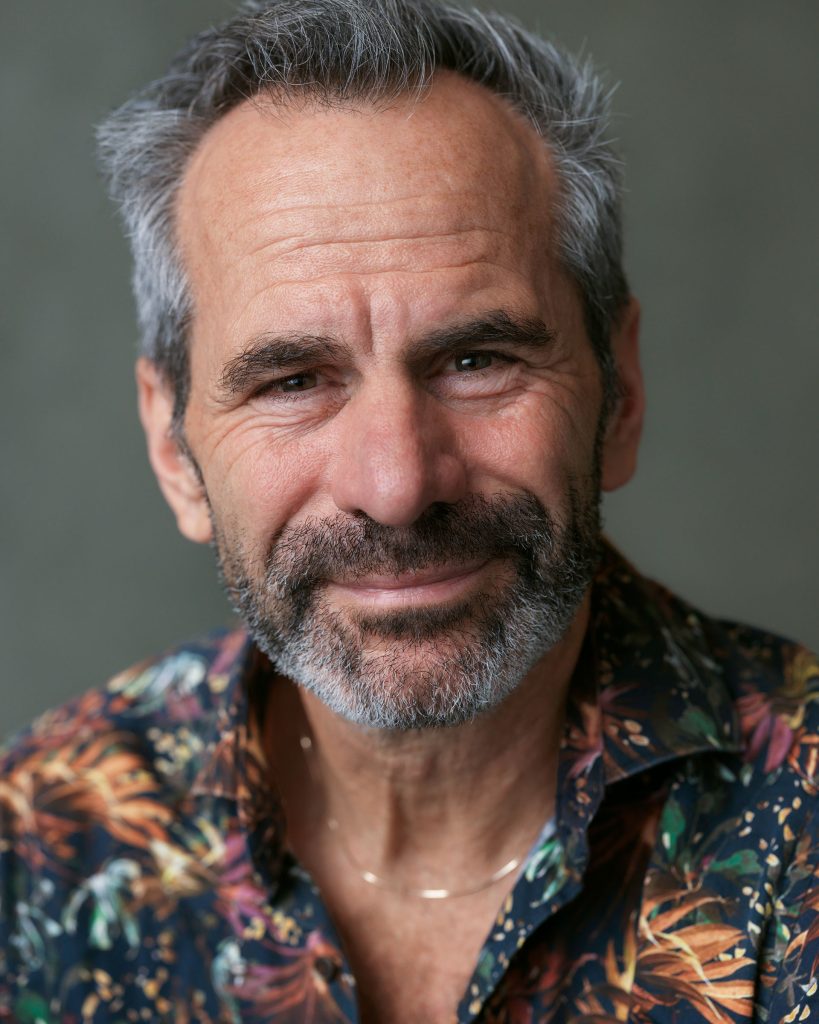
Prof. Mick COOPER
Professor of Counselling Psychology, University of Roehampton, London, United Kingdom
Keynote Topic
Welcoming the Other 2026: Next Steps in Realising Counselling Psychology’s Ethical Core
In 2009, I published a paper, ‘Welcoming the Other: Actualising the humanistic ethic at the core of counselling psychology practice’. In it, I argued that counselling psychology is a distinctive profession, and that its uniqueness lies, not in a particular set of techniques, but a set of values: counselling psychology as ethics-in-action. Drawing on Levinas’s notion of ‘welcoming the other’, I proposed that this humanistic ethic could be realised in five ways: seeing beyond diagnosis, responsiveness, orienting to client intelligibility, giving psychology away, and developing our evidence base.
Seventeen years on, as the Division of Counselling Psychology in Hong Kong marks its twentieth anniversary, this keynote revisits that argument. What has held up, and what now looks different? There have been substantial developments: research on tailoring therapy to individual clients’ preferences, cultures, and characteristics; growing attention to social power and structural inequality; and new possibilities, and risks, in reaching people beyond the consulting room. Alongside these sit pressing challenges: climate crisis, conflict, artificial intelligence, and the enduring dominance of Western, English-language knowledge in our training and research.
I suggest two further ways of realising our ethical core: social justice practices and decolonisation. I also ask a harder question. Is the principle of welcoming otherness itself rooted in a particular, Western way of seeing the world? If so, what might counselling psychology’s ethical foundations look like when they are grounded in other traditions and cultures?
Counselling psychology, I will continue to argue, has a distinctive and important contribution to make to the professional field: as a unique integration of values and practices. Yet the aim of this talk is not to offer a blueprint, but to open a conversation about what counselling psychology is as a profession, where it stands, and what it might yet become.
👤 Biography
Professor Mick Cooper is an internationally renowned leader, researcher, and chartered psychologist in the field of counselling psychology and humanistic psychotherapy. Currently serving as Professor of Counselling Psychology at the University of Roehampton, he is a Fellow of the British Psychological Society (FBPsS) and the Academy of Social Sciences (FAcSS).
Over the past three decades, Professor Cooper has made seminal contributions to person-centred and experiential therapies, most notably co-developing the pluralistic framework for counselling and psychotherapy and pioneering research on “relational depth” in the therapeutic alliance. His extensive research portfolio encompasses school-based counselling, person-centred experiential therapy for depression, and shared decision-making in psychological interventions. A highly prolific scholar, Professor Cooper has authored and co-edited over 10 influential books—including Working at Relational Depth in Counselling and Psychotherapy, Pluralistic Counselling and Psychotherapy, and Existential Therapies—which have been translated into multiple languages and serve as foundational texts across global training institutions.
• Round Table Discussion I: Indigenising Community-Based Psychological Practice: Opportunities and Challenges
• Post-Conference Workshop: Person-Centred Therapy: A Contemporary Introduction
Keynote II
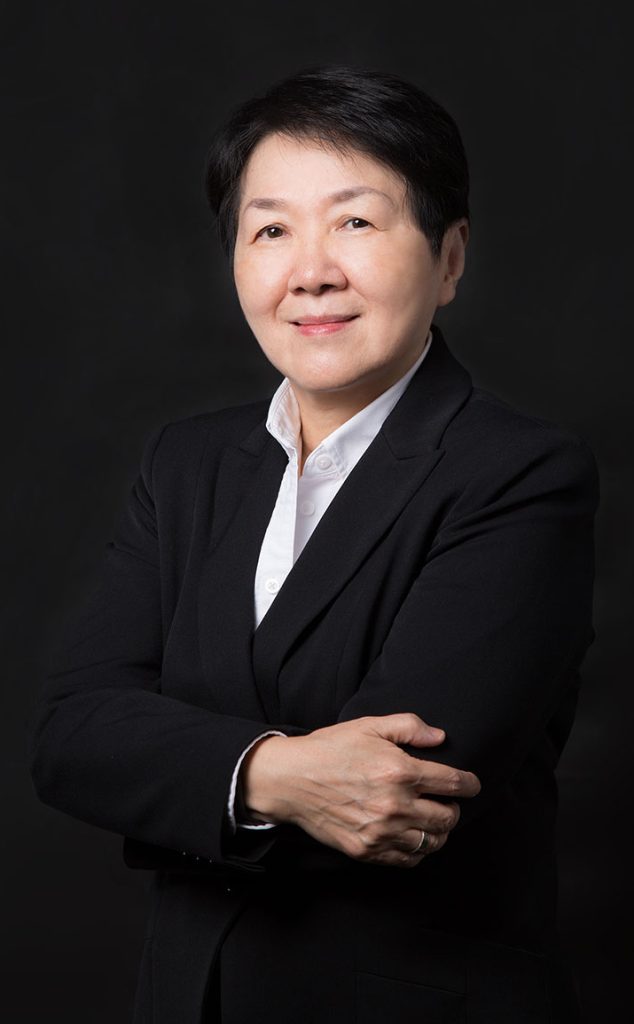
Prof. Catherine Tien-lun SUN
Senior Vice President, Hong Kong Shue Yan University, HKSAR, China
Keynote Topic
Reimagining Counselling Psychology Through Cultural Grounding, Decolonisation, and Professional Becoming
Counselling psychology in Hong Kong has developed substantially over the past two decades through the establishment of professional training, ethical standards, accreditation structures, and evidence-based practices. Yet professionalisation also raises a deeper question: to what extent has counselling psychology in Hong Kong become culturally, linguistically, and epistemically grounded in the communities it serves? This keynote conceptualises the development of the profession as a progression through three overlapping stages: professionalisation, cultural adaptation, and indigenous creativity.
While the importation of Western theories provided essential foundations for professional development, assumptions concerning autonomy, individuality, emotional expression, and therapeutic change do not always translate seamlessly into Asian cultural contexts. Cultural adaptation represents an important response to this limitation, but adaptation alone continues to position Western knowledge as the theoretical centre. Indigenous creativity moves beyond this position by recognising Asian philosophical traditions, including Confucianism, Buddhism, and Daoism, as legitimate sources of psychological knowledge and theory-building. The development of Daoist psychotherapy is presented as one illustration of how concepts such as ming, wu wei, ziran, yin-yang, and de may contribute to culturally grounded understandings of suffering, healing, therapeutic relationships, and practitioner cultivation.
Drawing additionally on recent research into counselling psychology training in Hong Kong, the keynote argues that indigenisation must extend beyond therapeutic theory to the processes through which practitioners themselves are formed. Professional becoming occurs within a “psychic soil” shaped by colonial history, linguistic hierarchies, institutional expectations, professional recognition, and the tensions between English-medium training and Cantonese-speaking practice. Decolonising counselling psychology therefore requires attention not only to what knowledge is taught, but also to whose knowledge is privileged, which languages carry professional authority, and how training institutions and supervision contain uncertainty and vulnerability.
The future of counselling psychology in Hong Kong lies neither in rejecting Western psychology nor in uncritically privileging indigenous traditions, but in creating genuine dialogue between them. Such a profession can remain internationally rigorous while becoming culturally grounded, linguistically authentic, and capable of contributing distinctive concepts and practices from Hong Kong and Asia to global counselling psychology.
Keywords: counselling psychology; Hong Kong; indigenisation; decolonisation; cultural adaptation; professional becoming; Daoist psychotherapy; bilingual practice
👤 Biography
Professor SUN Tien Lun, Catherine is the Senior Vice President and Professor of the Department of Counselling and Psychology at the Hong Kong Shue Yan University (HKSYU). A distinguished scholar and practitioner across clinical, counselling, and business psychology, she is widely recognised for her leadership in higher education, curriculum innovation, and professional advocacy.
In her role as Senior Vice-President, Professor SUN drives HKSYU’s academic strategy, research advancement, and interdisciplinary curriculum design. Under her leadership, the university has launched innovative undergraduate and postgraduate programmes across emerging disciplines, including Digital Marketing, Financial Technology, Applied Data Science, Forensic and Investigative Psychology, Play Therapy, Adversity and Trauma Psychology, and FinTech Management.
Prior to joining senior management, Professor SUN served as Head of the Department of Counselling and Psychology of the HKSYU for 14 years. She established Hong Kong’s first Master of Social Sciences in Counselling Psychology and Doctor of Psychology in Counselling Psychology programmes, significantly expanding professional training standards in the region.
Her research focuses on Chinese Psychology, Psychotherapy, Counselling Psychology, and Business Psychology. In 2004, Professor SUN founded the Asian Professional Counselling and Psychology Association (APCPA) to establish professional standards, ethical guidelines, and a counsellor registration system, leaving a lasting mark on the discipline throughout Asia.
• Round Table Discussion I: Indigenising Community-Based Psychological Practice: Opportunities and Challenges
Keynote III
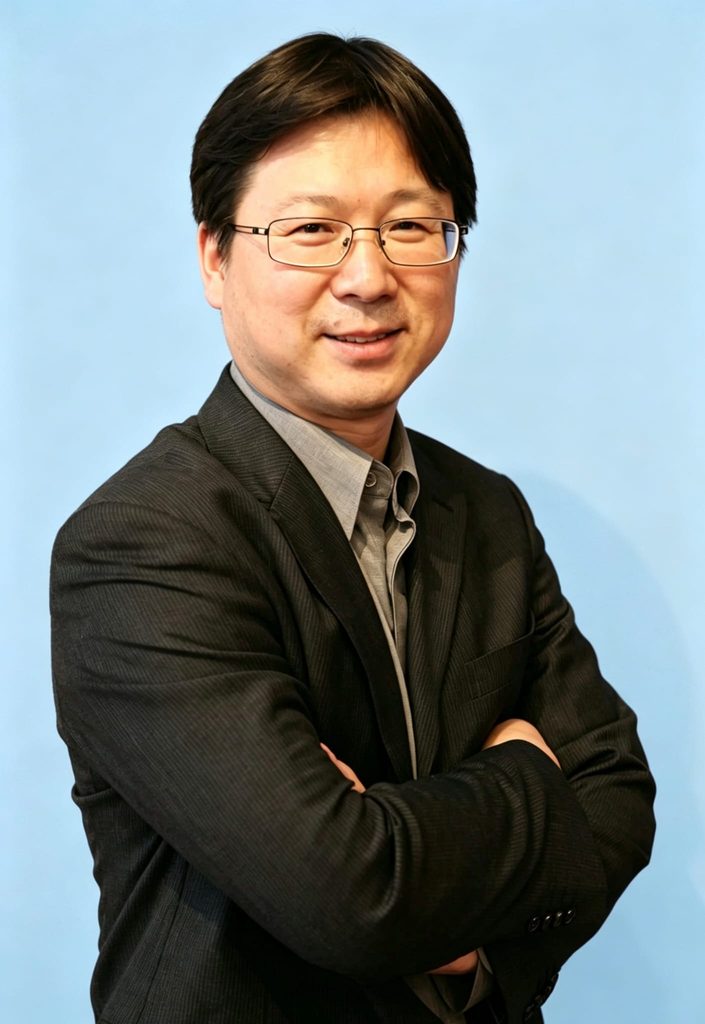
Prof. Xinchun WU
Jingshi Leading Professor, Beijing Normal University, China
Keynote Topic
40 Years of Counseling Professionalization and System Building in the Chinese Mainland: Evolution of Treatment, Prevention, and Mental Health Promotion, Greater Bay Area Collaboration, and Future Outlooks
中國大陸心理諮商專業發展與建設40年:治療、預防與促進的演進、粵港澳大灣區協作及未來展望
👤 Biography
Professor Xinchun Wu is a Jingshi Leading Professor at Beijing Normal University and a doctoral advisor in the Faculty of Psychology. He currently serves as Dean of the Bay Area School of Applied Psychology Sciences and Director of the Institute of Children’s Reading and Learning. His work spans educational and school psychology as well as clinical and counselling psychology, with particular interests in psychological trauma and post-traumatic adjustment, family processes and child development, parenting and coparenting, empathic support, and mental health promotion. He also serves as Chair of the Clinical and Counselling Psychology Committee of the Chinese Psychological Society and Deputy Director of its Clinical Psychology Registration Committee.
For nearly two decades, Professor Wu and his team have conducted systematic and sustained longitudinal research on the psychological adjustment of children and adolescents following major traumatic events, including long-term follow-up studies of adolescents affected by the Wenchuan earthquake. His research has advanced understanding of post-traumatic stress disorder, post-traumatic growth, social support, attachment, emotion regulation, and resilience among trauma-exposed young people. He has also led sustained programmes of research and practice on parental involvement, coparenting, empathy-based parent education and family support, and the promotion of child and adolescent mental health.
伍新春,現任北京師範大學京師特聘領軍教授、心理學部博士生導師、灣區應用心理學院院長、兒童閱讀與學習研究院院長。他的研究橫跨教育與學校心理學以及臨床與諮詢心理學,主要關注心理創傷與創傷後適應、家庭過程與兒童發展、父母教養與協同教養、共情陪伴與心理健康促進等領域。伍教授現任中國心理學會臨床與諮詢心理學專業委員會主任、中國心理學會臨床心理學註冊工作委員會副主任。
近二十年來,伍教授及其團隊圍繞重大創傷事件後兒童青少年的心理適應開展了系統而持續的縱向研究,其中包括對汶川地震後青少年的長期追蹤。他的研究深化了學界對創傷後應激障礙、創傷後成長、社會支持、依戀、情緒調節及復原力等問題的理解。與此同時,他還持續開展父母教養投入、協同教養、基於共情的親職教育與家庭支持,以及兒童青少年心理健康促進等方面的研究與實踐工作。
• Round Table Discussion III: Advancing Mental Well-Being Across the Greater Bay Area: Research, Practice, and Policy (共築粵港澳大灣區心理健康:研究、實踐與政策新視野) (Delivered in Mandarin / 普通話宣講)
Keynote IV
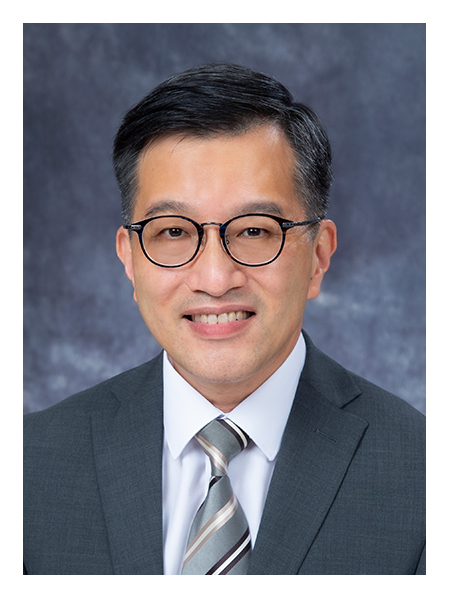
Mr. David NG
Assistant Director (Rehabilitation & Medical Social Services), Social Welfare Department, The Government of the HKSAR
Keynote Topic
The Pilot Programme on Training for Mental Health Promotion Ambassador: Promoting Community Mental Well-being
Announced in the 2025 Policy Address and launched in October 2026, the “Pilot Programme on Training for Mental Health Promotion Ambassador” is a 30-month, territory-wide initiative to promote healthy lifestyles, foster resilience, and build a caring and supportive community network. Through collaboration with local social welfare service units and community stakeholders, Integrated Community Centres for Mental Wellness across all districts will recruit and train about 5 000 people of diverse ages and backgrounds as Mental Health Promotion Ambassadors.
Drawing on positive psychology and Acceptance and Commitment Therapy (ACT), the Programme adopts a strengths-based, preventive approach to community psychoeducation. Its structured curriculum comprises 10 core workshop units, practicums and internships, organized into five developmental stages to guide and track participants’ progress. Each ambassador will complete at least 50 hours of training, designed to foster psychological flexibility and personal well-being while developing foundational mental health knowledge, practical communication skills and experience in community mental health promotion.
This keynote presentation will examine the Programme’s objectives, conceptual foundations, training design and implementation, alongside strategies for cross-sector collaboration. It will highlight how concepts from positive psychology and ACT are translated into practical ambassador training and community engagement, supporting sustained local action towards “Mental Well-Being for All”.
Keynote V
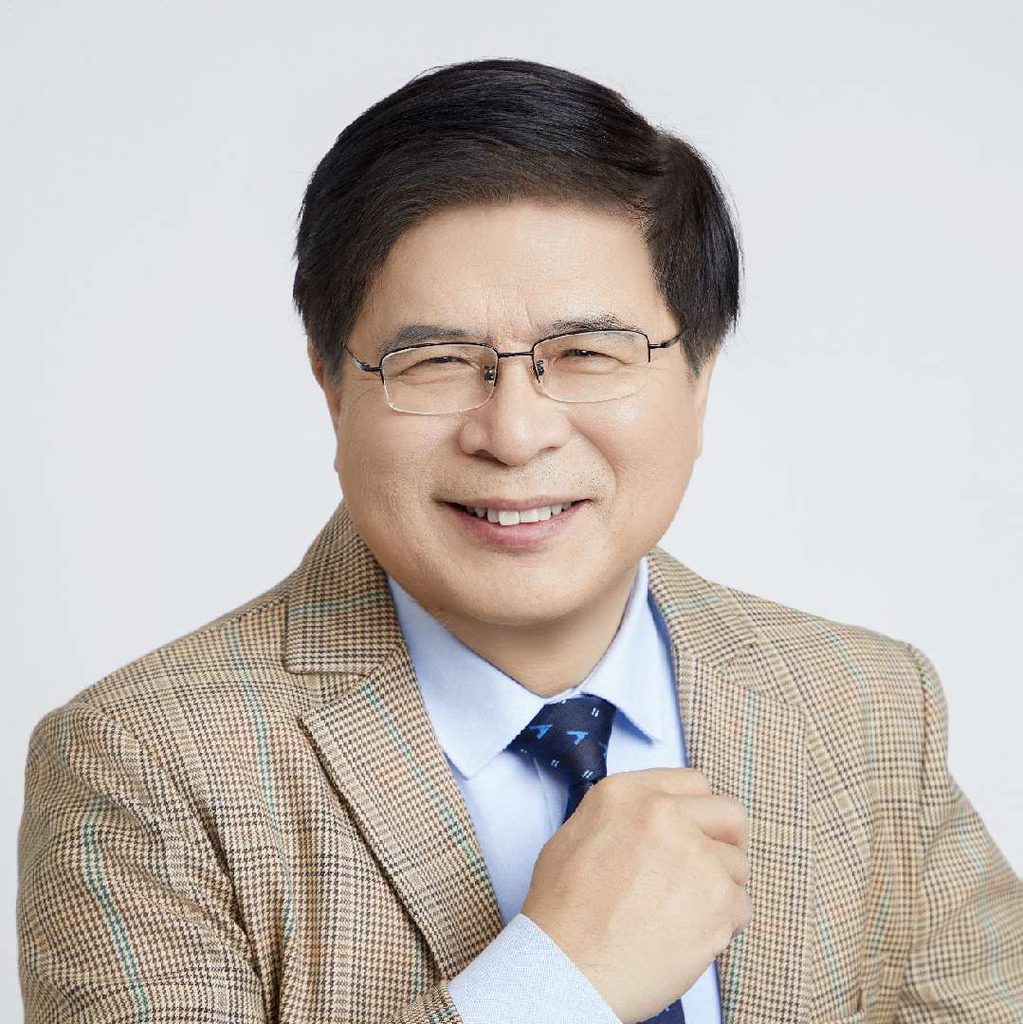
Prof. Xiaodong YUE
Distinguished Professor, Capital Normal University, China
Keynote Topic
Reimagining Strength-Based and Preventive Community Intervention for the Next Generation: Resilience, Connection, and Empowerment
This talk summarizes what I have been doing to promote adolescent resilience, connection, and empowerment via the Positive Behavioral Modification (PBM) approach in Mainland China. It focuses on a child’s strengths and character, using “seeing the good” to replace “zeroing in on mistakes,” helping the child proactively become better in an atmosphere of being recognized. It strings three methods together into a complete tool-kit: the Three-Point Treasure-Searching Method, uncovering a child’s shining qualities every day from three angles—strengths, traits, and highlights to build self-confidence; the Milestone Event Review Method—looking back on the child’s past victories over setbacks, building up psychological strength and cultivating a mindset that is not afraid of losing; the Review-Reflection Method—review analysis draws conclusions, projection analysis prepares a plan, helping the child avoid detours. Behind this approach lie three “greater-than” principles: finding resources over finding problems, finding strengths over finding weaknesses, finding success over finding failure. Don’t keep picking at flaws; instead, look more at “what’s there, what can be done, and what was done well.”
👤 Biography
YUE, Xiaodong, Ed.D. (Harvard University), is currently a Distinguished Professor of Psychology at Capital Normal University in Beijing, China, and an Adjunct Professor at the City University of Hong Kong, where he previously served in various teaching and administrative roles for 24 years. He also serves as an adjunct professor for over 20 other universities in China.
A prominent figure in his field, Prof. Yue is a Fellow of the Hong Kong Psychological Society (HKPS), a Registered Counselling Psychologist, and the Founding Chair of the Division of Counselling Psychology, HKPS. He is an active contributor to the academic community, frequently delivering keynote speeches at local and national conferences and serving as an ad hoc reviewer for 10 international psychology and education journals.
Prof. Yue has published extensively on creativity, humor, resilience, and adolescent idol worship in Chinese society. His prolific academic output includes over 100 SSCI/SCI journal articles, more than 150 Chinese journal articles, 4 English books, and 8 academic books.
• Round Table Discussion III: Advancing Mental Well-Being Across the Greater Bay Area: Research, Practice, and Policy (共築粵港澳大灣區心理健康:研究、實踐與政策新視野) (Delivered in Mandarin / 普通話宣講)
Note: Keynote presentations are listed in chronological programme order. All presentations are in English unless otherwise noted. The programme is subject to change without prior notice.